
Featured Article
How to Practice Gratitude Daily | West Chelmsford UMC
30 Days of Choosing Gratitude: A Daily Guide to Finding Joy in Everyday Life
Most people searching for a gratitude guide aren’t looking for a checklist. They’re looking for relief from stress, from comparison, from the quiet feeling that something is missing. Here’s what research and Scripture agree on: gratitude works, and it works faster than most people expect. Dr. Robert Emmons at UC Davis found that people who kept weekly gratitude journals reported 25% higher happiness than those who didn’t. Not after years of practice, but within weeks. The Bible made the same case centuries earlier: “Give thanks in all circumstances; for this is God’s will for you in Christ Jesus.” (1 Thessalonians 5:18). This guide gives you a practical, daily way to build that habit: one verse, one reflection, and one action step at a time.
What Does Gratitude Actually Do for Your Mental Health?
Gratitude is more than a mood. It’s a practice that measurably changes how the brain processes daily experience. Dr. Robert Emmons at UC Davis has spent decades studying gratitude’s effects, and his research consistently shows that people who practice gratitude regularly report 25% higher happiness compared to those who don’t.
What makes this significant is that these benefits don’t require a major life change. They come from small, repeated acts of noticing and naming what is good. Scripture frames this the same way. Not as a one-time attitude adjustment, but as an ongoing posture: “Rejoice always, pray continually, give thanks in all circumstances.” (1 Thessalonians 5:16–18). The practice shapes the person over time.
How to Practice Gratitude When Life Feels Heavy
The hardest part of gratitude isn’t knowing it’s good for you. It’s doing it when things are hard. When a relationship is strained, when a job disappears, when grief moves in and doesn’t leave, being told to “just be grateful” can feel hollow.
The difference between toxic positivity and genuine gratitude is honesty. Gratitude doesn’t require pretending things are fine. It requires looking for what is still true and good even when circumstances aren’t. The Psalms model this consistently: writers who were afraid, grieving, and exhausted still chose to return to what they knew about God’s character: “I will give thanks to you, Lord, with all my heart; I will tell of all your wonderful deeds.” (Psalm 9:1). That wasn’t written from a place of comfort. It was written as a choice.
A simple practice for hard seasons: before naming what is wrong, name one thing that is still true. One person who showed up. One moment of unexpected grace. One breath that came without asking for it. That’s where gratitude starts, not at happiness but at honesty.
What Does the Bible Say About Gratitude?
Gratitude runs throughout Scripture from beginning to end. The Psalms are the Bible’s longest book, and a significant portion of them are expressions of thanksgiving offered in real circumstances, not ideal ones. “Give thanks to the Lord, for he is good; his love endures forever.” (Psalm 107:1) is a refrain repeated in moments of rescue, not in moments of ease.
The New Testament carries the same thread. Paul writes from prison: “Do not be anxious about anything, but in every situation, by prayer and petition, with thanksgiving, present your requests to God.” (Philippians 4:6). The instruction isn’t to be thankful because life is going well. It’s to bring thanksgiving into the hard thing, as part of the act of bringing it to God.
Gratitude in Scripture is also communal. It’s expressed in worship, in community, in telling others what God has done: “Enter his gates with thanksgiving and his courts with praise; give thanks to him and praise his name.” (Psalm 100:4). It’s not just a private discipline. It’s something that grows when it’s shared.
Does Gratitude Journaling Actually Work, or Is It Just Positive Thinking?
Gratitude journaling is one of the most studied interventions in positive psychology, and the results consistently distinguish it from general positive thinking. The difference is specificity. Positive thinking tends to be broad and aspirational: “things will get better.” Gratitude journaling is concrete and backward-looking: “here is the specific thing that happened, and here is why I’m grateful for it.”
Dr. Emmons’ research at UC Davis found that the act of writing gratitude down, not just thinking it, produced significantly stronger outcomes than reflection alone. There’s something about putting words to gratitude that makes it real in a different way. It creates a record that can be returned to when life gets heavy, which is part of why this 30-day guide includes a written action step each day, not just a reflection question.
Gratitude journaling is also not about manufacturing emotion. On days when you don’t feel grateful, writing down even the smallest observable good, whether that is sunlight through a window, a meal on the table, or a text from a friend, is the practice. The feeling often follows the act, not the other way around.
How Do You Build a Gratitude Habit That Actually Sticks?
Most gratitude habits fail not because people don’t want to be more grateful, but because the practice has no anchor. No time, no trigger, no routine to attach to. Research on habit formation consistently shows that new behaviors stick when they’re tied to an existing routine rather than added as a separate obligation.
Here are three simple anchors that work:
Morning anchor — Before checking your phone, name three things you’re grateful for. It takes less than two minutes and reorients attention before the day’s demands set in.
Mealtime anchor — Use a meal, breakfast, dinner, or any consistent one, as a prompt to name one moment of grace from the day. This works especially well with families and children.
Evening anchor — Before sleep, write one sentence in a journal or the notes app on your phone. One sentence is enough. “I’m grateful for _____ because _____.” Specificity is more powerful than length.
Colossians 2:6–7 frames habit beautifully: “So then, just as you received Christ Jesus as Lord, continue to live your lives in him, rooted and built up in him, strengthened in the faith as you were taught, and overflowing with thankfulness.” Overflowing isn’t the starting point. It’s what happens after roots go deep. The 30-day practice below is how the roots form.
Can Gratitude Help With Anxiety or Stress?
Yes, and the mechanism is more direct than most people realize. Anxiety tends to pull attention toward what is uncertain, unresolved, or threatening. Gratitude pulls attention toward what is present, concrete, and good. These two orientations compete for the same mental space, which is why even a brief gratitude practice can interrupt an anxious thought pattern in the moment.
Philippians 4:6–7 makes this connection directly: “Do not be anxious about anything, but in every situation, by prayer and petition, with thanksgiving, present your requests to God. And the peace of God, which transcends all understanding, will guard your hearts and your minds in Christ Jesus.” The prescription isn’t “stop being anxious.” It’s “bring the anxiety to God with thanksgiving”, and the peace follows that act. The gratitude doesn’t deny the hard thing; it carries it into God’s presence.
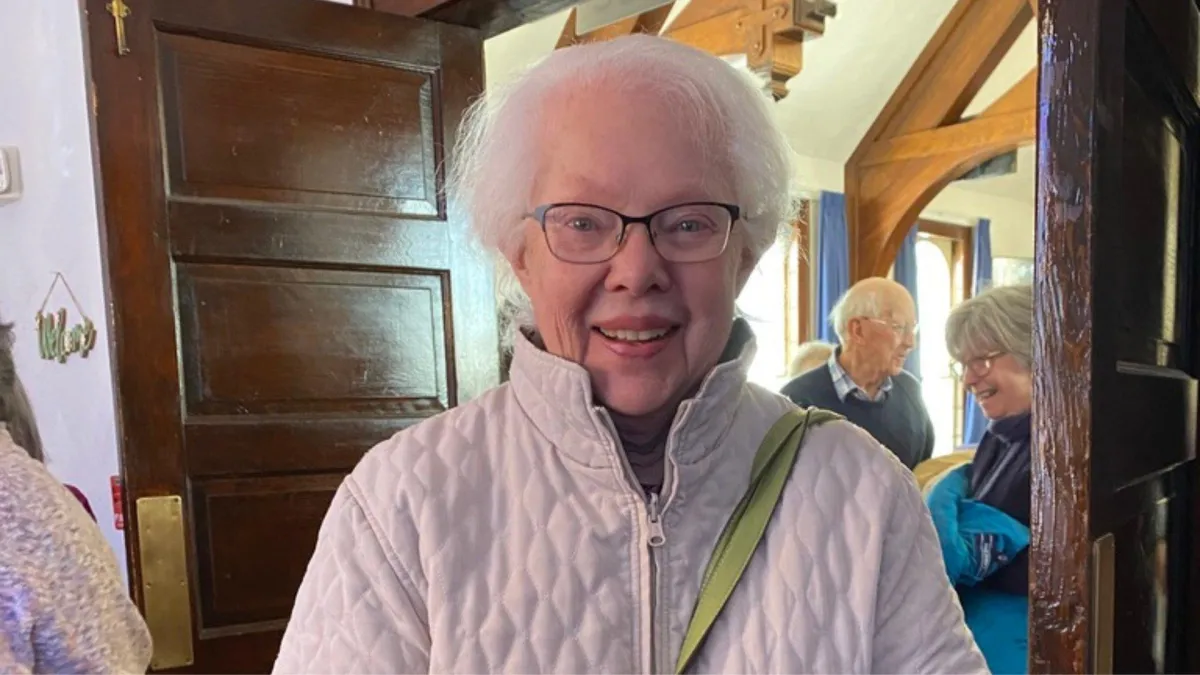
Gratitude is easier when you’re not doing it alone.
West Chelmsford UMC is here for you. Real people, real prayer, right now.
Your 30-Day Gratitude Challenge
The daily practice below gives you one Bible verse, one reflection question, and one action step for each of the next 30 days. You can work through it on your own, at the dinner table with your family, or alongside a friend. There’s no right pace, the goal is consistent practice, not perfection.
Day 1 - 📖 “Give thanks to the Lord, for he is good; his love endures forever.” – Psalm 107:1
Reflect - Where have you seen goodness in your life this week?Action - Write it down and thank God for it.
Day 2 - 📖 “Do not be anxious about anything, but in every situation, by prayer and petition, with thanksgiving, present your requests to God.” – Philippians 4:6
Reflect - What’s one worry you can let go of today?Action - Pair it with one thing you’re grateful for.
Day 3 - 📖 "Every good and perfect gift is from above, coming down from the Father of the heavenly lights, who does not change like shifting shadows.” – James 1:17
Reflect - What everyday gift do you often overlook?Action - Pause and say “thank you” for it.
Day 4 - 📖 “Let the peace of Christ rule in your hearts, since as members of one body you were called to peace. And be thankful.” – Colossians 3:15
Reflect - When have you felt peace in a hard moment?Action - Breathe deeply and whisper thanks.
Day 5 - 📖 “Give thanks to the Lord, for he is good; his love endures forever.” – 1 Chronicles 16:34
Reflect - Who has shown you love recently?Action - Tell them how much you appreciate it.
Day 6 - 📖 “Thanks be to God for his indescribable gift!” – 2 Corinthians 9:15
Reflect - What’s one gift you didn’t earn but are thankful for?Action - Share your gratitude with someone else.
Day 7 - 📖 “Enter his gates with thanksgiving and his courts with praise; give thanks to him and praise his name.” – Psalm 100:4
Reflect - What are three things you can thank God for today?Action - Say them out loud.
Day 8 - 📖 “We always thank God for all of you and continually mention you in our prayers.” – 1 Thessalonians 1:2
Reflect - Who in your life are you especially thankful for?Action - Send them a text or note of encouragement.
Day 9 - 📖 “Always giving thanks to God the Father for everything, in the name of our Lord Jesus Christ.” – Ephesians 5:20
Reflect - What’s one challenge that’s teaching you something?Action - Write it down and thank God for the growth.
Day 10 - 📖 “I will give thanks to you, Lord, with all my heart; I will tell of all your wonderful deeds.” – Psalm 9:1
Reflect - Has a prayer been answered recently?Action - Record it as a reminder of God’s faithfulness.
Day 11 - 📖 “Because of the Lord’s great love we are not consumed, for his compassions never fail. They are new every morning; great is your faithfulness.” – Lamentations 3:22–23
Reflect - Where do you see new glimpses of God’s mercy today?Action - Start tomorrow by listing three blessings.
Day 12 - 📖 “The Lord is my strength and my shield; my heart trusts in him, and he helps me. My heart leaps for joy, and with my song I praise him.” – Psalm 28:7
Reflect - Who strengthens you when you feel weak?Action - Thank God for them—and thank them personally.
Day 13 - 📖 “For everything God created is good, and nothing is to be rejected if it is received with thanksgiving.” – 1 Timothy 4:4
Reflect - What small joy made you smile today?Action - Capture it in a journal or photo.
Day 14 - 📖 “Let us come before him with thanksgiving and extol him with music and song.” – Psalm 95:2
Reflect - How can worship be an expression of gratitude?Action - Listen to a worship song and thank God.
Day 15 - 📖 “So then, just as you received Christ Jesus as Lord, continue to live your lives in him, rooted and built up in him, strengthened in the faith as you were taught, and overflowing with thankfulness.” – Colossians 2:6–7
Reflect - How has your faith grown roots this year?Action - Write down one way God has helped you grow.

You’re halfway through something meaningful.
West Chelmsford UMC would be honored to pray for you by name.
Day 16 - 📖 “Give thanks to the Lord, for he is good. His love endures forever.” – Psalm 136:1
Reflect - When have you seen God’s mercy in action?Action - Thank Him for it specifically.
Day 17 - 📖 “But I, with shouts of grateful praise, will sacrifice to you. What I have vowed I will make good. I will say, ‘Salvation comes from the Lord.’” – Jonah 2:9
Reflect - When has God given you a second chance?Action - Write it down as a reminder.
Day 18 - 📖 “Therefore, since we are receiving a kingdom that cannot be shaken, let us be thankful, and so worship God acceptably with reverence and awe.” – Hebrews 12:28
Reflect - What about God’s kingdom gives you hope today?Action - Share it with a friend or family member.
Day 19 - 📖 “You turned my wailing into dancing; you removed my sackcloth and clothed me with joy, that my heart may sing your praises and not be silent. Lord my God, I will praise you forever.” – Psalm 30:11–12
Reflect - Has God ever turned your sadness into joy?Action - Record that memory and thank Him.
Day 20 - 📖 “And whatever you do, whether in word or deed, do it all in the name of the Lord Jesus, giving thanks to God the Father through him.” – Colossians 3:17
Reflect - How can you practice gratitude in your work or school?Action - Do one task today with a thankful heart.
Day 21 - 📖 “I will extol the Lord at all times; his praise will always be on my lips.” – Psalm 34:1
Reflect - Can you thank God even in a hard circumstance?Action - Speak a prayer of gratitude anyway.
Day 22 - 📖 “And we know that in all things God works for the good of those who love him, who have been called according to his purpose.” – Romans 8:28
Reflect - Where have you seen God bring good out of difficulty?Action - Journal that story.
Day 23 - 📖 “It is good to praise the Lord and make music to your name, O Most High, proclaiming your love in the morning and your faithfulness at night.” – Psalm 92:1–2
Reflect - What’s one thing you can thank God for morning and night?Action - Write it on a sticky note by your bed.
Day 24 - 📖 “I thank my God every time I remember you.” – Philippians 1:3
Reflect - Who in your community are you grateful for?Action - Tell them they matter – call, text or send an email or letter.
Day 25 - 📖 “The Lord has done it this very day; let us rejoice today and be glad.” – Psalm 118:24
Reflect - What about today can you rejoice in?Action - Speak three things out loud.
Day 26 - 📖 “In that day you will say: ‘Give praise to the Lord, proclaim his name; make known among the nations what he has done, and proclaim that his name is exalted. Sing to the Lord, for he has done glorious things; let this be known to all the world.’” – Isaiah 12:4–5
Reflect - How can you tell someone about God’s goodness today?Action - Share a short gratitude post online.
Day 27 - 📖 “But thanks be to God! He gives us the victory through our Lord Jesus Christ.” – 1 Corinthians 15:57
Reflect - How does gratitude shape the way you see victory in life?Action - Thank God for your salvation.
Day 28 - 📖 “Give thanks to the God of heaven. His love endures forever.” – Psalm 136:26
Reflect - What part of creation makes you grateful?Action - Step outside, look around, and thank God for it.
Day 29 - 📖 “Devote yourselves to prayer, being watchful and thankful.” – Colossians 4:2
Reflect - How can prayer help you stay thankful?Action - Write out a gratitude-filled prayer.
Day 30 - 📖 “Praise and glory and wisdom and thanks and honor and power and strength be to our God for ever and ever. Amen!” – Revelation 7:12
Reflect - How does gratitude prepare you for eternity?Action - End this journey with a prayer of thanksgiving and worship.
Gratitude doesn’t have to stop here. What you’ve built over these 30 days is a practice and practices grow stronger the longer they’re kept. The joy, the peace, and the perspective that gratitude brings are available every day, in every season, not just the easy ones.
Frequently Asked Questions About Gratitude Practice
How long does it take to see results from a gratitude practice?
Dr. Robert Emmons at UC Davis found that a few hours of gratitude journaling over three weeks produces effects lasting six months or more, with participants reporting 25% higher happiness. Most people notice a shift in mood within the first two weeks, with more significant changes by the end of a 30-day practice.
What should I do if I can’t think of anything to be grateful for?
On the hardest days, gratitude starts with the most basic observable facts: a breath taken, a roof overhead, food eaten that day. The goal is not to manufacture a feeling but to train attention toward what is present. The feeling of gratitude often follows the act of naming something specific.
Is a gratitude journal necessary, or can I just think about it?
Writing produces stronger outcomes than reflection alone, according to Dr. Emmons’ research. Putting words to gratitude makes it concrete in a way that deepens the benefit. A notes app, a sticky note, or a single sentence before bed all count. Format matters far less than consistency.
What does the Bible say about being thankful when things are hard?
Scripture doesn’t promise gratitude will be easy in hard seasons, it simply calls for it anyway. Paul wrote “give thanks in all circumstances” from a prison cell (1 Thessalonians 5:18). Biblical gratitude isn’t about denying difficulty. It’s about choosing to look at God’s faithfulness in the middle of it.
How is this 30-day guide different from just positive thinking?
Positive thinking is aspirational and future-oriented. Gratitude is specific and backward-looking: it names a particular person, moment, or gift and acknowledges it as real and good. That specificity is what makes gratitude measurably effective. This guide pairs each day’s reflection with a concrete action step because specific gratitude outperforms vague positivity.
Can I do this gratitude challenge with my family or kids?
Research suggests gratitude practiced communally sticks longer than private practice alone. The daily format works well at a dinner table: one person reads the verse, the group answers the reflection question, and the action step is done together. For younger children, try “What’s one good thing that happened today?”
Does gratitude have anything to do with going to church?
Research on habit formation consistently shows that behaviors practiced in community last longer than those practiced alone, and gratitude is no exception. Gratitude and community tend to reinforce each other. Many people find that gratitude becomes more sustainable when it's part of a community rather than a solo effort, and church is one of the most consistent environments where gratitude is named, shared, and practiced together week after week.
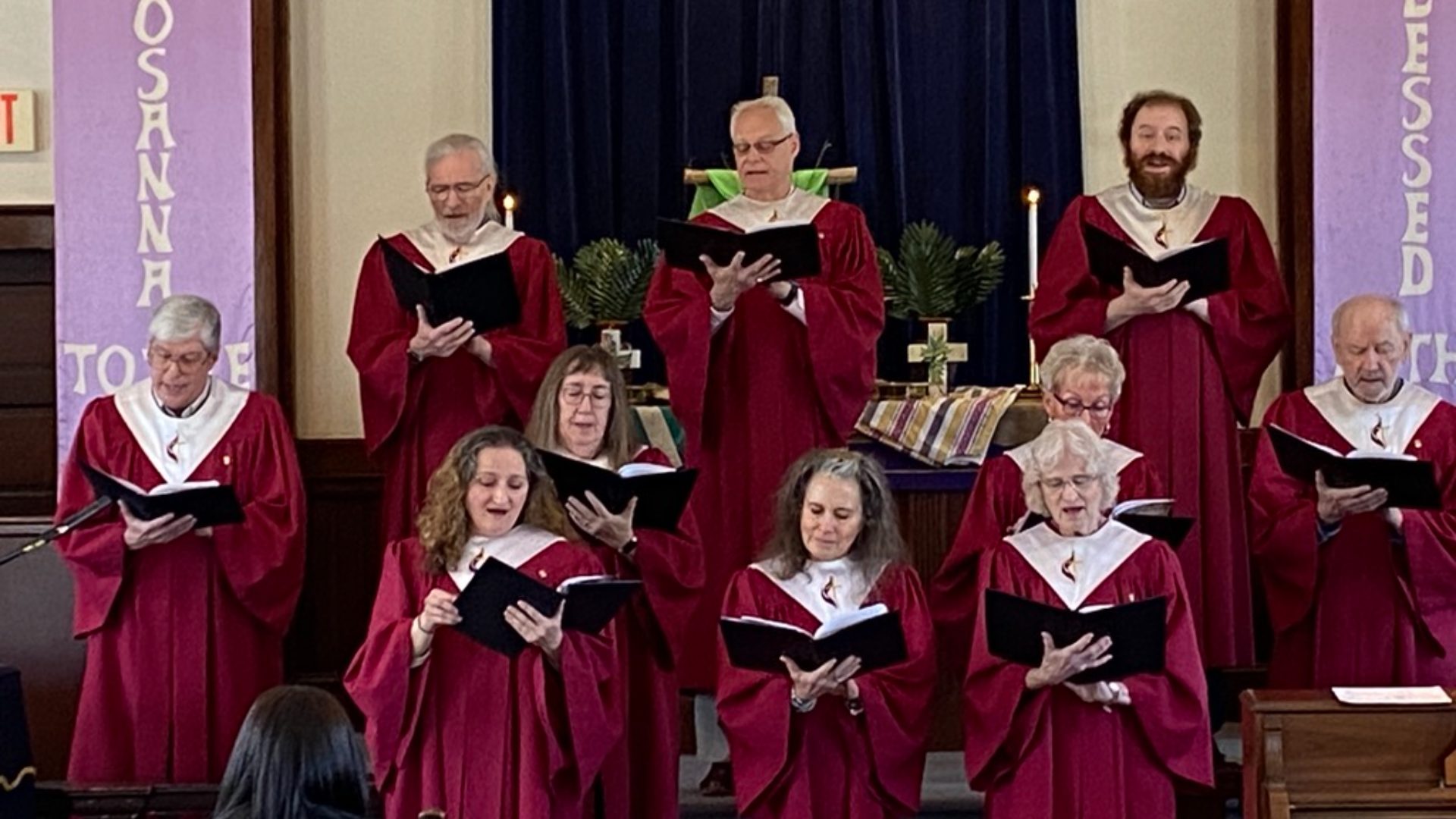
Whatever you’re carrying into this next season, bring it to God and to people who will stand with you.
West Chelmsford UMC would love to pray with you.
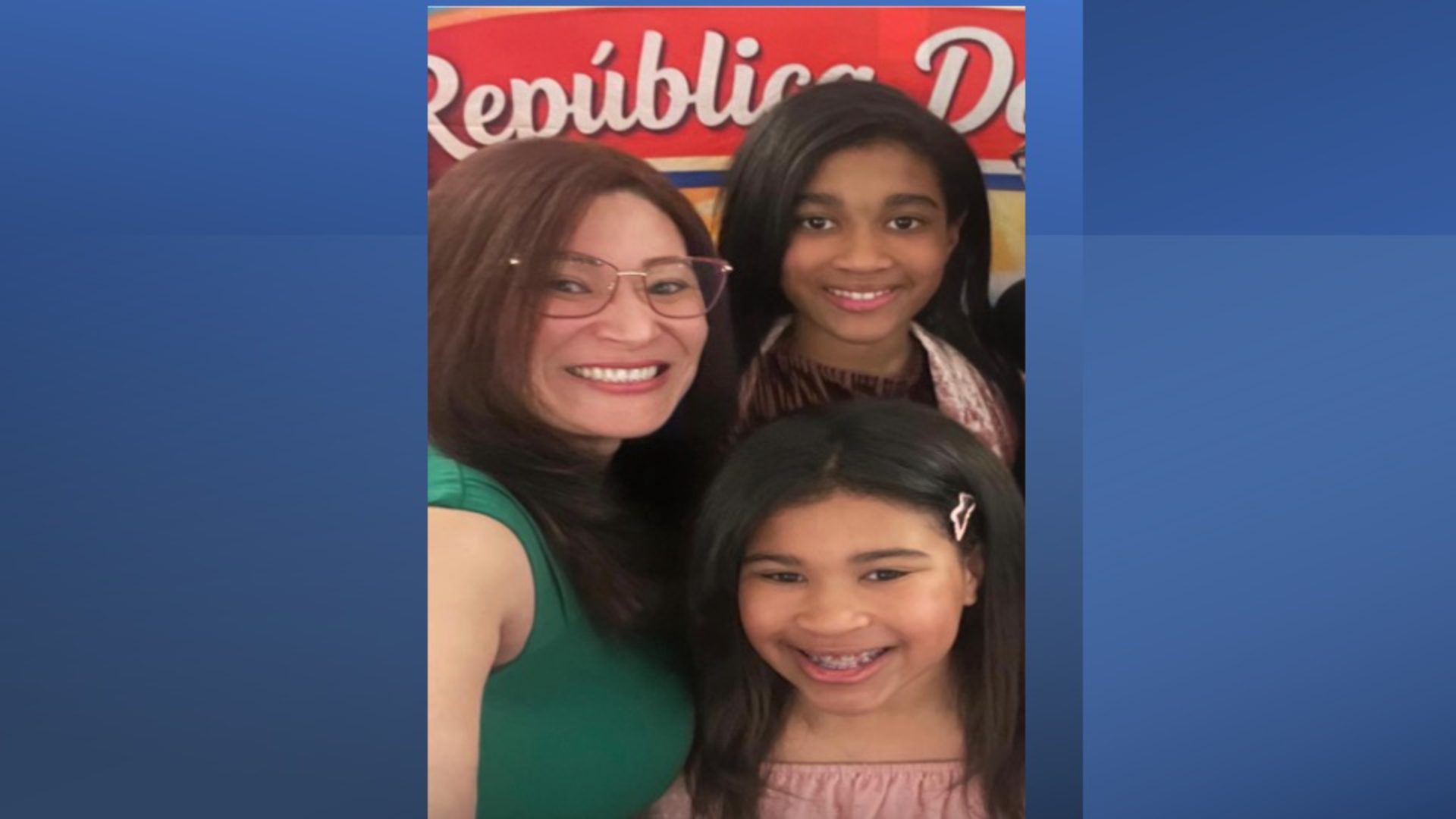
We'd love to welcome you to West Chelmsford UMC
Visiting a church doesn't have to be intimidating. We'd love to welcome you and answer any questions you might have about church or faith.
— Geisa Matos, Pastor
Join Us for a Service
Service Times:
Sundays at 9:30am
Location:
242 Main St
North Chelmsford, MA 01863
We'd love to welcome you to West Chelmsford UMC
Join Us This Sunday
Looking for a church to visit?
We're excited to share more about our church and always ready to welcome you and your family to one of our upcoming services.
Join us for an upcoming service.
Use the plan your visit link to share your information and we'll make sure we're prepared to show you and your family around.
We are here to help
© 2026 West Chelmsford UMC